A Season of Quiet Milestones at Anawim
When Ryan first walked through our doors, life felt dark and isolating. After COVID, he had lost his housing—and with it, his sense of connection and stability. “I was in a really dark place,” he shared. He had tried to reach out to other service providers, but too often felt stonewalled and unsupported. It was as if every door he knocked on stayed closed.
When Ryan arrived at Anawim, things felt different right away. Within his first two months, staff helped him connect with the resources he needed. “Getting help on day one was huge,” he said. “It was everything I had been trying to do elsewhere, but here it actually happened.”
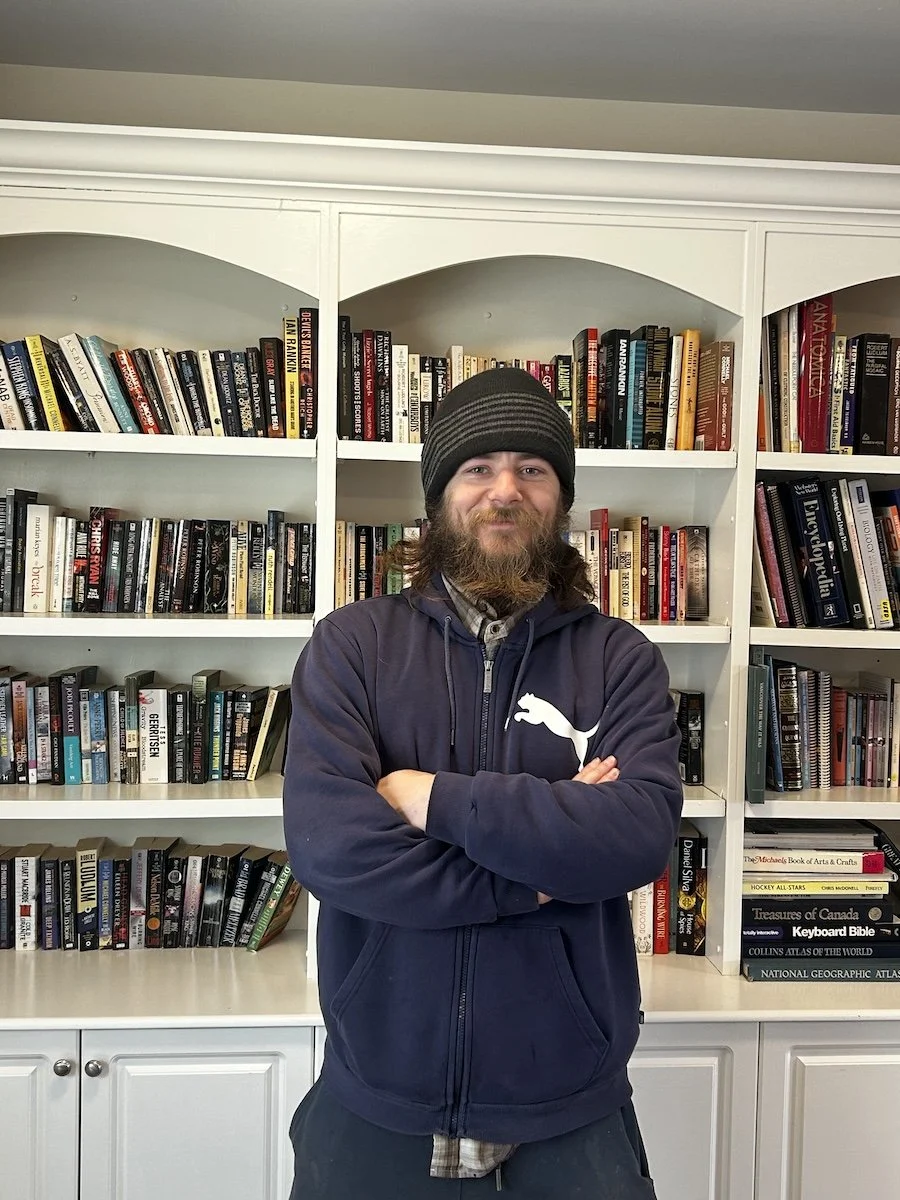
Some of the most meaningful supports for Ryan have been the ones many of us take for granted—access to showers and laundry, and help obtaining identification. Those “small” things became his first steps toward dignity, stability, and moving forward. Since connecting with Anawim, Ryan has begun to imagine a future again. One day, he hopes to own a small farm and keep bees. He has already been researching which berries produce the best honey and how clover vines increase pollen. It is a vision rooted in patience, care, and steady growth—much like his own journey.
Stories like Ryan’s are why Anawim exists. And over the past few months, we have seen several quiet but important milestones across our homes and programs that I want to share with you.
Growing need, growing trust
As far back as our reliable data extends, January 12 marked a record-setting day for Anawim, with 56 guests served—well above our typical daily average of 37.6. This reflects both the growing need in the community and the continued trust individuals place in Anawim as a safe, reliable space for support.
Every person who comes through our drop-in is welcomed as a neighbour, not a number. A shower, a hot meal, a clean load of laundry, a listening ear—these are often the first signs that hope is still possible. For some, it becomes the bridge into deeper connection, housing, and recovery. For others, it is simply a day where they feel seen and respected. Both matter.
If you’ve ever supported Anawim—as a donor, volunteer, or partner—your care is present in every one of those 56 encounters and the many more we host each month.
A new space for healing conversations: the She Shed
At Susan’s Place, our women’s home, private space has always been limited. Until recently, the only option for confidential meetings was a small office with paper-thin walls and seating for just a few people. That meant staff often had to have difficult or sensitive conversations in spaces that didn’t feel truly private or calm.
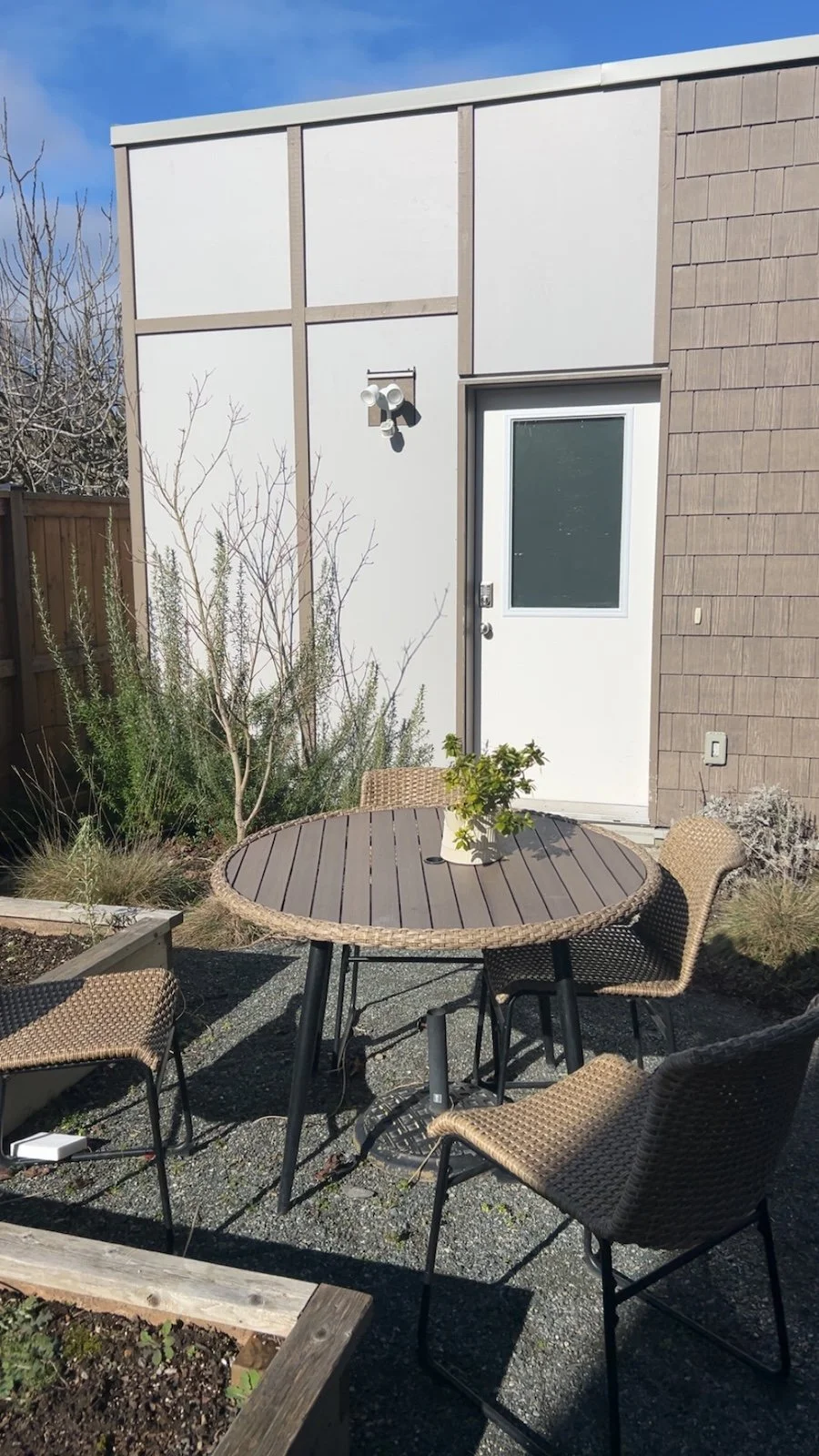
For more than a year, our team hoped to renovate a small outbuilding on the property, often affectionately called the “She Shed,” and transform it into usable program and meeting space. Thanks to the generosity and effort of many friends, that transformation is almost complete.
The She Shed is structurally sound, clean, and dry, with a bathroom and air conditioning already in place. Staff have cleaned, prepared, and painted the space, and we are moving toward fully furnishing it so it can be used as a comfortable, private, and functional meeting room.
This may sound like a simple building update, but it changes what is possible at Susan’s Place. Staff regularly require private space to meet with residents and wrap-around support teams, including support workers, health professionals, and external partners. Having a true, confidential space to sit together supports safety, trust, and trauma-informed care. It allows residents to share their stories, ask hard questions, and plan next steps in an environment that feels safe.
If you have supported our women’s programs in any way, the She Shed is one very tangible expression of your care.
A community effort: how you can walk with us
None of this work happens in isolation. It is sustained by a circle of neighbours who give time, skills, resources, and encouragement.
Right now, some of our most practical needs include:
Cooking Companions: Volunteer hosts who cook alongside program participants, teaching practical kitchen skills and sharing a meal together.
Donor Relations Volunteer: One volunteer (2–3 hours per week) to help with thank-you calls and letters, ensuring every gift is acknowledged with real warmth.
Maintenance Support: Our existing volunteers do a tremendous amount, but ongoing maintenance across two homes is more than they can manage alone. Extra hands would make a meaningful difference.
If one of these roles stirs something in you, we would love to hear from you.
We also continue to welcome those who feel called to support financially—especially through monthly giving. Become a Companion and help us plan with confidence, respond quickly when needs spike (like our record drop-in day), and sustain the kind of deep, patient work that helps residents like Ryan move from crisis to stability.
Whether you give, volunteer, spread the word, or simply hold our community in your thoughts, you are part of this story. Thank you for believing that every person is worthy of belonging, hope, and a real second chance.
With gratitude,
Jeff Baergen
Executive Director, Anawim Companions Society
